


When it comes to DTF transfer size, achieving the ideal dimensions is paramount for the success of your custom apparel projects. Direct to Film (DTF) printing has revolutionized the apparel industry, allowing designers to create vibrant and detailed graphics that resonate with consumers. Selecting the correct size for DTF transfers not only impacts the visual appeal of your designs but also enhances their durability on various garments. In this article, we will provide a comprehensive DTF transfer guide that delves into critical transfer measurements, ensuring that your creations look impeccable with every application. Understanding the nuances of sizing in DTF printing is essential for anyone involved in modern apparel printing.
The concept of transfer dimensions in the realm of Direct to Film printing is crucial for any designer aiming to make a mark in custom clothing. Often referred to as DTF sizing or DTF measurements, these specifications can determine the overall impact of a design on fabric. Proper sizing ensures that your artwork fits seamlessly on different types of garments, from t-shirts to hoodies, maintaining the integrity and vibrancy of the print. By understanding how to gauge the appropriate scale for your DTF applications, you enhance not just the look of your apparel but also its quality and longevity. This article will explore essential guidelines to help you navigate the complexities of DTF transfer sizes effectively.
Choosing the Right Size for DTF Transfers
Selecting the appropriate size for your DTF transfers is vital to ensure that the final design appears pristine on any garment. If a transfer is too large, intricate details may be lost, and if it is too small, the design can appear insignificant or undistinguished. Therefore, understanding how to scale your designs effectively based on garment type is crucial. For instance, t-shirts generally offer a larger printing area compared to caps, necessitating a different approach in sizing to preserve the aesthetic appeal of the artwork.
Moreover, addressing the proportions of the design in relation to the fabric is key. Use tools and software that allow you to visualize how the size of your transfer will complement the cut and style of the clothing. For example, oversized prints can be striking but may not always work well with fitted garments. By strategically choosing sizes that harmonize with the overall design and garment features, you can significantly enhance the attractiveness of your custom apparel.
DTF Transfer Size Specifications
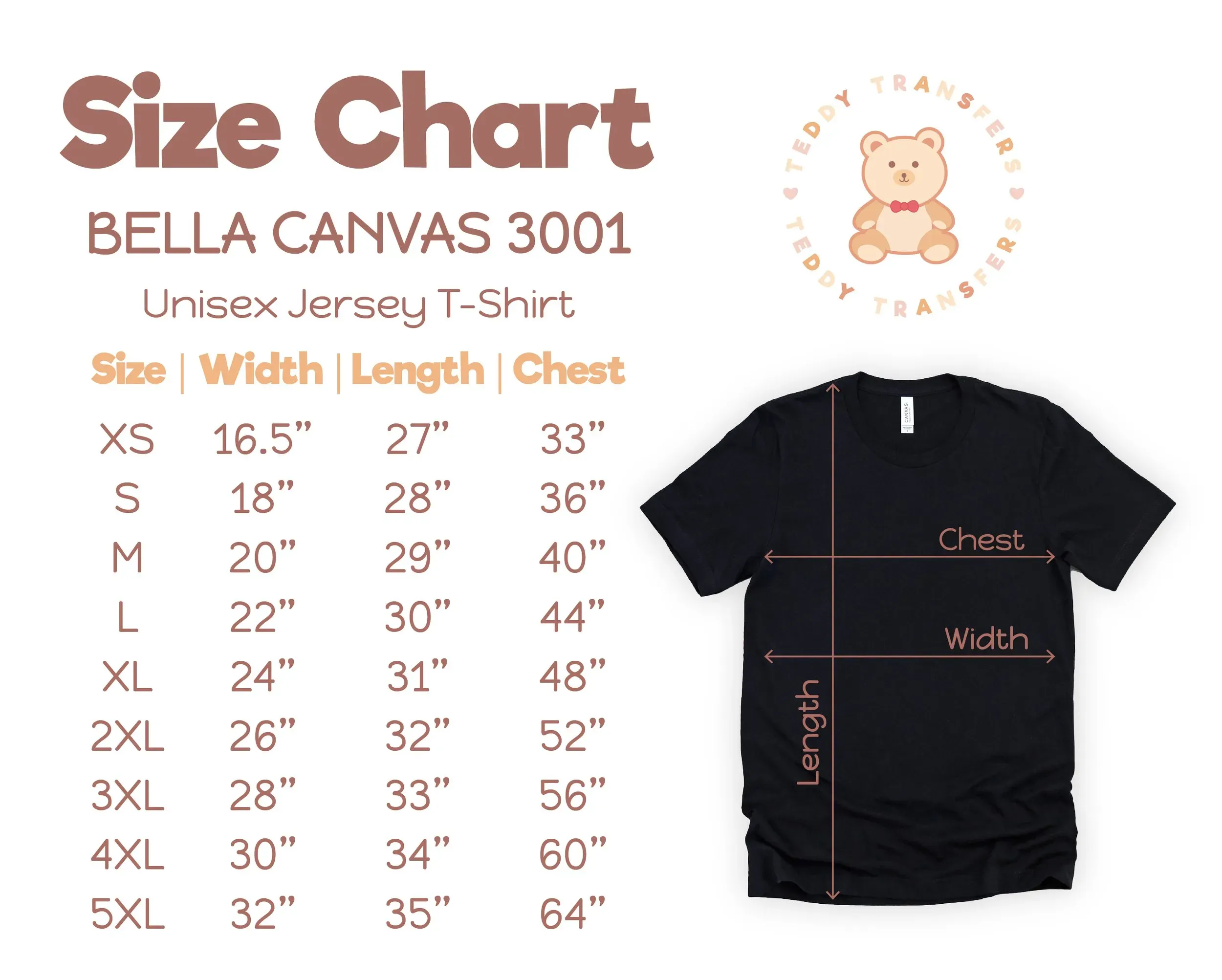
Understanding DTF transfer size specifications involves familiarizing oneself with the guidelines that dictate the maximum and minimum sizes for various apparel styles. Many manufacturers provide comprehensive measurement charts that outline the recommended transfer sizes based on the fabric type and style of the garment. Adhering to these specifications will ensure that your designs meet industry standards while avoiding potential pitfalls such as poor adherence or unpleasant visual outcomes.
Additionally, factoring in the unique characteristics of your chosen materials is essential when determining transfer size. Different fabrics, such as cotton vs. polyester, will interact differently with DTF inks and heat application, which can influence the effectiveness of the transfer. It’s advisable to test your designs on similar fabric swatches before committing to larger production runs, allowing for adjustments in sizing to ensure the best results.
Design Complexity and Transfer Size
The complexity of your design significantly affects the size of your DTF transfer. Detailed artwork that includes intricate patterns or small text may require smaller transfer sizes to ensure that all elements are crisp and clearly visible. When designs are enlarged, they can lose their essence, as fine lines may blur together or become indistinguishable when scaled up. Therefore, it’s crucial to assess design complexity and adjust the size accordingly to achieve a high-quality print.
Conversely, for simpler and bolder designs, larger transfers can be visually striking if sized correctly. While the boldness of larger transfers can attract attention, it’s essential to keep in mind the balance of the overall design. Minimizing color complexity or simplifying motifs can enhance visibility while maintaining aesthetic integrity. Therefore, designing with the transfer size in mind can lead to a more successful outcome for custom apparel.
Testing DTF Transfer Sizes
Conducting thorough tests of your DTF transfer sizes is an essential step in the preparation process. Print samples on the actual garments to evaluate how the transfer appears when applied under real conditions. Observing factors like color vibrancy and detail clarity on different fabrics allows you to make informed adjustments before moving to full-scale production. This helps to avoid costly errors and ensures that the final product meets your expectations.
In addition to visual assessments, soliciting feedback from peers or potential customers on your samples can provide valuable insights. You may find that certain sizes resonate better with your audience or that alterations may be necessary to improve the overall appeal. Engaging individuals in this testing phase not only hones the quality of your product but can also lead to enhanced customer satisfaction once the apparel reaches the market.
The Role of Software in DTF Design Adjustments
Graphic design software is instrumental in achieving the perfect DTF transfer sizing. Programs like Adobe Illustrator and CorelDRAW provide tools that enable precise manipulation of designs, allowing creators to adjust dimensions and visualize how the artwork aligns with garment specifications. These features are critical in establishing the correct proportions and ensuring that the design fits aesthetically within the transfer area.
Additionally, utilizing layer functionality and the ability to set guidelines makes it easier to work within the confines of recommended transfer sizes. Understanding how to implement these digital tools effectively can streamline your design process and lead to better-designed products that resonate with your target market. Ultimately, maximizing the potential of graphic design software will result in superior DTF transfers that elevate your custom apparel offerings.
Final Thoughts on DTF Transfer Sizing
In conclusion, choosing the right size for DTF transfers is a multifaceted process influenced by various factors, such as garment type and design intricacy. By applying knowledge of size specifications and testing designs across different materials, you can ensure optimal results that do justice to your creative vision. The importance of taking time to finalize sizes cannot be overstated, as a well-sized transfer can make the difference between a mediocre and a standout product.
Moreover, leveraging modern design tools alongside thorough testing will facilitate a more efficient workflow, ultimately saving time and resources in your custom apparel production. By prioritizing DTF transfer size and utilizing the full suite of design tools available, you will capture the attention of your target audience and stand out in the competitive apparel market.
Frequently Asked Questions
What is the ideal DTF transfer size for custom apparel?
The ideal DTF transfer size for custom apparel varies depending on the garment type and design complexity. Always refer to manufacturer measurement charts for the maximum allowable transfer sizes specific to each style, ensuring your designs fit perfectly and maintain visual appeal.
How do I measure for DTF transfer sizes accurately?
To measure for DTF transfer sizes accurately, consult garment measurement charts provided by manufacturers. It’s crucial to leave a border around your design to enhance aesthetics and prevent it from looking cramped on the fabric.
Does the complexity of my design affect DTF transfer size?
Yes, the complexity of your design significantly affects DTF transfer size. Intricate designs generally require smaller sizes to maintain detail, while larger designs should be scaled carefully to preserve clarity without overwhelming the garment.
Why is size important in DTF printing for custom apparel?
Size is crucial in DTF printing for custom apparel because it determines the visual impact of your design. An incorrectly sized transfer can diminish design integrity, making it vital to select the right measurements based on the garment and design characteristics.
What software can help with creating the right DTF transfer size?
Graphic design software like Adobe Illustrator and CorelDRAW are excellent for creating and sizing artwork for DTF transfers. These programs allow for precise measurements and scaling, ensuring your designs fit within the designated transfer area.
How can I test DTF transfer sizes before full production?
Before full production, test DTF transfer sizes by printing samples on actual garments. This practice helps you evaluate how the design appears on different fabrics, allowing for adjustments based on feedback to achieve optimal results.
| Key Points | Details | |
|---|---|---|
| DTF Printing Process | DTF involves printing designs onto a specialized film with high-quality inks, transfer to fabric using a heat press, ensuring durability and color vibrancy. | |
| Importance of Size | Proper size selection maintains design integrity, complements garment type, and enhances the overall visual appeal. | |
| Measuring for Transfers | Utilize garment measurement charts and ensure designs have an appropriate border for aesthetic and practical reasons. | |
| Design Complexity | Intricate designs are better smaller, while larger designs need careful scaling to maintain clarity and visual engagement. | |
| Sample Testing | Print sample sizes on actual garments to assess appearance and gather feedback for size adjustments. | |
| Software Tools | Use graphic design software like Adobe Illustrator for precise measurements, making it easier to achieve the desired transfer size. | |
Summary
DTF transfer size is crucial for achieving quality in custom apparel production. Choosing the right size ensures that designs remain visually appealing and suitable for different garment types. By considering key factors like design complexity and garment measurements, and utilizing tools such as graphic design software, you can create outstanding custom clothing. The time invested in sizing will significantly improve the quality of the final product, making it a worthwhile endeavor for anyone looking to thrive in the custom apparel market.