


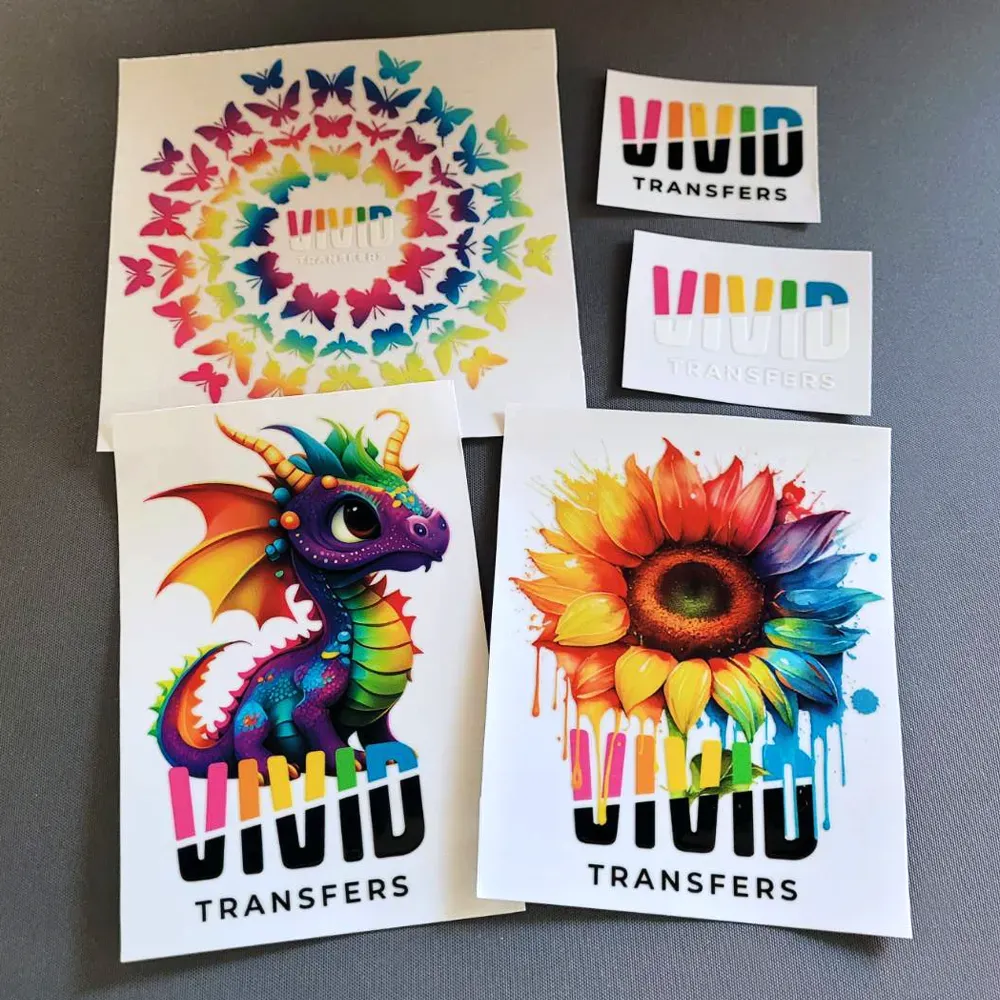
In the rapidly evolving landscape of printing technology, UV DTF transfers have emerged as a standout innovation that captivates businesses and designers alike. This cutting-edge method utilizes UV printing technology to create vibrant, durable prints on digitally designed transfer films, revolutionizing the way custom products are manufactured. As companies seek sustainable printing solutions, UV DTF offers an eco-friendly alternative that minimizes harmful emissions while maximizing creativity. With its versatility in reproducing bold designs on diverse materials, this technology opens new horizons for custom printing solutions across various industries. In this article, we explore the myriad benefits and innovations associated with UV DTF transfers, helping you harness this powerful tool to elevate your brand’s design capabilities.
Also known as ultraviolet direct-to-film printing, UV DTF transfers are changing the face of print production with their remarkable ability to apply intricate designs on a variety of surfaces. This innovative approach leverages advanced UV printing technology paired with digital transfer films, making it possible to achieve high-quality customization efficiently. As the demand for personalized products increases, these digital transfer solutions provide a versatile alternative for businesses looking to make their mark. Moreover, the emphasis on sustainable practices in the printing industry makes UV DTF an attractive option for environmentally conscious brands. Join us as we dive into the advantages and techniques related to this remarkable printing innovation, unlocking new potential for your design projects.
Understanding UV DTF Transfers: The Basics
UV DTF transfers, or UV Digital Transfer Films, are an innovative technology that merges digital printing with ultraviolet curing processes. These transfers begin with high-quality UV inks being printed onto a special film, which is then cured under UV light. This curing process solidifies the ink, resulting in vibrant and long-lasting designs that can be applied to various surfaces. From textiles to hard substrates like metal and glass, UV DTF transfers offer extensive versatility for custom printing solutions.
The ability to print finely detailed designs without loss of quality makes UV DTF transfers particularly appealing. As each design is cured on the transfer film, the colors remain vivid and resistant to fading, ensuring that the resulting products maintain their initial appeal even with regular use. This durability is essential for businesses aiming to provide high-quality, reliable products to their customers, enhancing satisfaction and repeat business.
The Benefits of Using UV DTF Transfers
One of the most significant benefits of UV DTF transfers is their unmatched durability. The prints are resistant to scratches, fading, and peeling, making them ideal for items that may endure frequent handling or exposure to environmental factors. Businesses can rest easy knowing that their custom products, whether clothing or promotional materials, will retain their aesthetic quality over time, minimizing the need for frequent reprints.
Additionally, the speed of UV DTF printing greatly enhances production efficiency. Compared to traditional printing methods, UV DTF allows for faster turnaround times, which is vital for businesses aiming to meet tight deadlines and high customer demand. This technology enables companies to streamline their operations while ensuring that they deliver high-quality, customized products without compromising on speed.
Eco-Friendly Aspects of UV DTF Printing
Sustainability is a growing concern in the printing industry, and UV DTF printing addresses this need with its eco-friendly formulations. The inks used in UV DTF transfers are designed to minimize VOC emissions and other harmful substances, making them a more environmentally responsible choice. This green approach not only supports businesses in their sustainability efforts but also appeals to a consumer base that increasingly values eco-friendly products.
By adopting UV DTF technology, companies can enhance their brand reputation and attract environmentally conscious consumers. As the market trends lean towards sustainable solutions, businesses that implement UV DTF printing can position themselves favorably among competitors who may still rely on less eco-friendly printing methods.
Exploring the Innovation of Hybrid Printing Models
The evolution of UV DTF technology has sparked interest in hybrid printing models, which combine various printing techniques for unique results. By integrating UV DTF with other methods, designers can create prints that feature varied textures and multi-layer effects, setting products apart in a crowded marketplace. This innovation allows for greater creative freedom and the production of customized designs that resonate with consumers looking for something original.
Hybrid models not only enhance aesthetic appeal but also provide a competitive edge. As businesses leverage these printing innovations, they can attract a wider audience, cater to niche markets, and respond more effectively to shifting consumer preferences. The result is a product line that is not only diverse but also rich in visual impact, making it memorable to customers.
Integrating Software for Enhanced Design Capabilities
Recent advancements in design software tailored specifically for UV DTF transfers have revolutionized the creative process. These tools enable users to create elaborate designs that can easily be translated into high-quality prints. By simplifying the design process, businesses can focus on unleashing their creativity and capturing their brand identities without getting bogged down by technical limitations.
Moreover, these software solutions often come equipped with features that optimize designs for various substrates, ensuring that the final print will maintain its integrity regardless of the material it is applied to. This integration between design and printing capabilities tremendously boosts the productivity of businesses venturing into UV DTF printing.
Your Journey to Mastering UV DTF Transfers
Embarking on the journey to utilize UV DTF transfers begins with selecting the right equipment and materials. High-quality UV printers and transfer films are essential in achieving the best results. Investing in reliable technology ensures that prints are vibrant and precise, bringing designs to life with clarity and richness. Additionally, aligning the equipment to your specific needs plays a critical role in operational efficiency.
Following equipment setup, the design process becomes the centerpiece of the workflow. Integrating suitable graphic design software tailored for UV DTF technology allows users to create stunning visuals that resonate with their target audience. This proactive approach sets businesses on a path towards successful implementation of UV DTF transfers, leading to high-quality and impactful results.
Frequently Asked Questions
What is UV DTF printing and how does it work?
UV DTF printing, or UV Digital Transfer Film printing, utilizes specially formulated UV inks that are printed onto a transfer film. This film is then cured under UV light, solidifying the inks for vibrant and long-lasting prints. The process allows for application on various surfaces, making it a versatile choice for businesses.
What are the key advantages of using UV DTF transfers in printing?
The main advantages of UV DTF transfers include high durability, versatile applications across different materials, reduced production times, and eco-friendly ink options. These features enable businesses to deliver long-lasting, custom printing solutions efficiently.
Can UV DTF transfers be used on different materials?
Yes, UV DTF transfers are highly versatile and can be applied to a wide range of materials, including textiles, plastics, metal, and glass. This flexibility opens up new opportunities for custom printing solutions in various sectors.
How does UV DTF technology contribute to sustainable printing practices?
UV DTF technology contributes to sustainable printing by using eco-friendly UV inks that minimize harmful emissions during production. This aligns with the growing consumer demand for environmentally conscious printing solutions, helping brands enhance their reputation.
What recent innovations are being seen in UV DTF printing?
Recent innovations in UV DTF printing include hybrid printing models that combine UV DTF with other techniques for unique designs and advancements in design software that streamline the creation of complex custom designs, enabling more creative possibilities for users.
What steps should I take to start using UV DTF transfers?
To start with UV DTF transfers, choose high-quality equipment, create engaging designs using compatible software, prepare the transfer film correctly, then print and cure your designs with UV light, followed by careful application on your desired surfaces.
| Aspect | Description |
|---|---|
| What are UV DTF Transfers? | UV DTF transfers use specially formulated UV inks printed onto a transfer film, cured under UV light for vibrant and durable designs. |
| Advantages | High durability, versatile applications, reduced production time, and environmentally friendly formulations. |
| Applications | Applicable to textiles, plastics, metal, glass, and more, making it ideal for various custom products. |
| Innovations | Includes hybrid printing models and software integration for more complex, customizable designs. |
| Getting Started | Invest in quality equipment, create appealing designs, use suitable transfer film, print and cure correctly, and apply meticulously. |
Summary
UV DTF transfers are transforming the landscape of printing technology by providing businesses with an efficient way to produce high-quality, customizable products. This innovative printing process utilizes UV inks that cure under light, resulting in vibrant and long-lasting prints suitable for a myriad of surfaces such as textiles, plastics, and metals. The key advantages of UV DTF transfers include exceptional durability, versatility across various applications, and significantly reduced production times compared to traditional methods. Furthermore, its eco-friendly ink formulations appeal to a growing segment of environmentally conscious consumers. With ongoing advancements in UV DTF technology, this printing method not only meets the demands of the modern market but also paves the way for creative possibilities that can elevate brand identity effectively.