


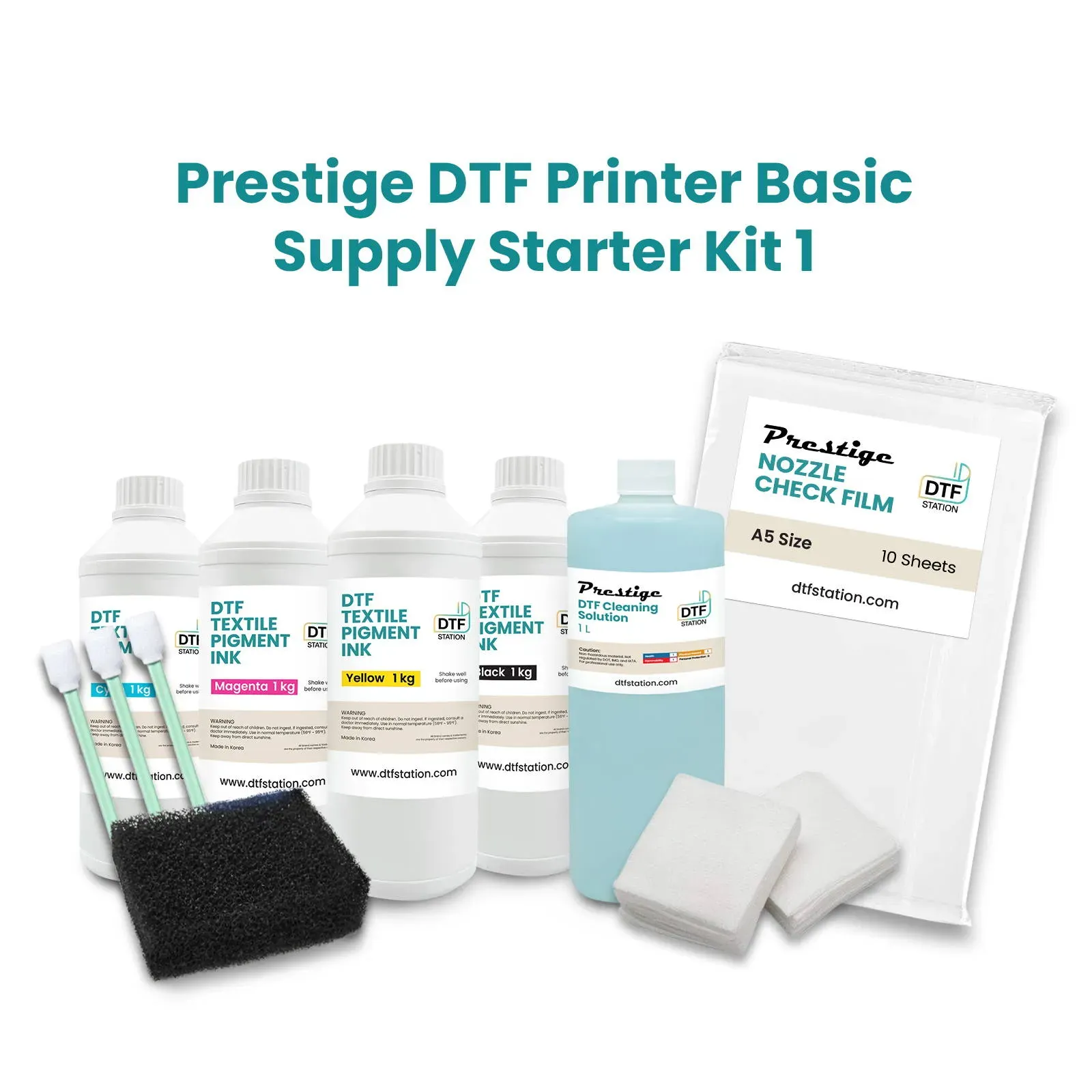
DTF Supplies have emerged as a groundbreaking innovation in the printing industry, marking a significant evolution in how fabric printing is approached. Direct-to-Film printing technology not only enhances design transfer but also showcases the potential for unprecedented versatility and quality. As the market for customized apparel grows, businesses are quickly recognizing the advantages of DTF, which include lower costs and improved durability. This article delves into the current landscape of DTF supplies, analyzing market trends and what sets DTF apart as a leader in the future of printing. With the right insights, companies can position themselves to harness the full benefits of this advanced printing solution.
The realm of digital textile printing is rapidly transforming, with Direct-to-Film technology at the forefront of these changes. This innovative approach allows for high-quality designs to be easily transferred onto various fabrics, catering to the increasing demand for personalized clothing and unique apparel items. From small-scale operations to larger businesses, the flexibility and cost-effectiveness of DTF Supplies make them an attractive option for many. As we explore this exciting segment of the printing industry, we will highlight the distinct features, market dynamics, and the surge in popularity driving DTF’s prominent role in modern printing solutions. Indeed, the wave of advancements in graphic transfer methods points to a promising horizon for both suppliers and consumers alike.
Understanding the Benefits of DTF Printing Technology
Direct-to-Film (DTF) printing technology has emerged as a game changer in the textile printing world, bringing impressive advantages to businesses looking to elevate their production capabilities. One of the most notable benefits of DTF printing is its versatility. Unlike traditional printing methods, DTF is capable of printing on a wide range of fabric types, including cotton, polyester, and blends, without compromising the quality of vibrant colors. This flexibility enables suppliers to cater to varying consumer preferences, thereby expanding their offerings and appealing to niche markets in an increasingly saturated industry.
Moreover, DTF printing significantly reduces setup time and allows for shorter print runs, making it an excellent choice for custom orders and promotional items. Businesses are now able to produce unique pieces without incurring the excessive costs associated with bulk production. This adaptability is crucial in the fast-paced fashion industry, where trends change rapidly, and personalized products are in high demand. DTF technology thus not only enhances operational efficiency but also fosters creative freedom, empowering businesses to experiment with innovative designs.
The Economic Advantages of DTF Supplies
While the transition to DTF printing technology may require an initial investment in equipment, the long-term economic benefits can be substantial. For many businesses, DTF printing offers a cost-effective solution due to lower material costs and reduced inventory expenses. By enabling on-demand production, companies can minimize waste and avoid the financial pitfalls of unsold stock. The ability to print customized items means businesses can cater directly to consumer demands while maintaining healthy profit margins.
Additionally, DTF printing typically uses less ink than traditional methods, which further contributes to cost savings. The advancements in ink formula technology have led to more efficient printing processes, resulting in vivid and durable prints that withstand rigorous washing and wear. This durability boosts customer satisfaction and loyalty, as clients receive high-quality products that stand the test of time, ultimately fostering repeat business and enhancing profitability.
Exploring DTF Market Trends in the Printing Industry
The DTF printing market is on a significant growth trajectory, with forecasts indicating substantial expansion in the coming years. As consumer demand for personalized products rises, more businesses are recognizing the untapped potential of DTF technology. This shift towards customization aligns with broader market trends, where individuality and unique offerings dominate the retail landscape. Brands are prioritizing distinct designs and limited editions to attract discerning customers seeking exclusivity.
Moreover, the increasing focus on sustainability within the printing industry is reshaping market dynamics. As eco-conscious consumers become more prevalent, DTF suppliers are keen to adopt sustainable practices, including the use of eco-friendly inks. This adaptation not only addresses environmental concerns but also aligns with consumer values, further driving the growth of the DTF market. By staying on top of these trends, businesses can harness the full potential of DTF technology to boost their competitive edge.
Overcoming Challenges in DTF Printing Adoption
Despite the numerous advantages of DTF printing, there are challenges that businesses must navigate to fully embrace this technology. One significant hurdle is the initial setup cost associated with acquiring DTF printers and heat presses. For smaller businesses or those just starting, these costs can appear prohibitive, leading to a cautious approach when considering the transition to DTF. It is essential for business owners to conduct thorough market research and cost-benefit analyses to determine the feasibility of investing in DTF printing technology.
Additionally, training staff to effectively operate DTF equipment can pose challenges, particularly in smaller firms with limited resources for comprehensive training programs. The learning curve may initially slow production and impact business operations. However, investing in proper training and guidance can equip employees with the necessary skills to utilize DTF technology efficiently, ultimately resulting in improved output quality and productivity in the long run.
Expert Insights on the Future of DTF Supplies
Industry experts emphasize the critical importance of keeping pace with the rapid advancements in DTF technology. As new inks, processes, and equipment are developed, businesses that stay informed are better equipped to leverage the benefits of DTF supplies. Regularly attending workshops, trade shows, and webinars can provide valuable insights and updates that enhance operational capabilities and competitive strategies. This continuous pursuit of knowledge helps businesses adapt and thrive in a constantly evolving landscape.
Moreover, experts recommend fostering partnerships with reliable DTF suppliers who prioritize innovation and sustainability. Collaborating with forward-thinking suppliers can provide businesses with access to high-quality materials and cutting-edge technologies that enhance printing capabilities. By aligning with industry leaders, companies can not only meet consumer demands but also contribute to the positive transformation of the printing industry as a whole.
The Sustainability Factor in DTF Printing Technology
Sustainability is becoming an increasingly crucial factor within the printing industry, as both businesses and consumers seek eco-friendlier practices. DTF printing technology is rising to meet these needs through innovations in sustainable inks and materials that minimize environmental impact. Many DTF suppliers have begun prioritizing eco-conscious production methods, helping to align their products with the values of modern consumers who prioritize sustainability in their purchasing decisions.
The use of water-based and biodegradable inks in DTF printing not only reduces pollution but also enhances the overall appeal of products to environmentally aware consumers. This growing preference for sustainable printing solutions is encouraging more businesses to incorporate DTF technology into their operations, capitalizing on a burgeoning market that values responsible production practices. As sustainability continues to shape consumer choices, DTF printing stands poised to thrive in an increasingly eco-conscious era.
Frequently Asked Questions
What are DTF supplies and how do they enhance Direct-to-Film printing?
DTF supplies include specialized inks, transfer films, and adhesive powders used in Direct-to-Film printing. They enhance the printing process by allowing high-quality, vibrant designs to be transferred onto various fabric types, making DTF a versatile choice for custom apparel and promotional products.
What advantages does DTF printing technology offer compared to traditional methods?
DTF printing technology offers several advantages over traditional methods, including better versatility in fabric compatibility, cost-effectiveness due to reduced inventory needs, improved print quality that is highly durable, and eco-friendly options with sustainable inks, making it appealing for modern businesses.
How does the DTF market trend indicate the future of printing?
Current DTF market trends suggest significant growth driven by rising consumer demand for personalized and sustainable products. As DTF supplies become more popular, businesses will need to adapt to these trends to remain competitive in the evolving printing landscape.
What challenges do businesses face when transitioning to DTF supplies?
Businesses transitioning to DTF supplies may encounter challenges such as high initial setup costs for specialized DTF printers and heat presses. Additionally, training staff on new equipment and techniques can be a barrier for smaller companies looking to adopt this technology.
Why is sustainability an important aspect of DTF printing technology?
Sustainability is crucial in DTF printing technology as consumers increasingly demand eco-friendly practices. Many suppliers are now utilizing biodegradable and less harmful inks, which align with environmentally conscious consumer preferences, thus enhancing the appeal of DTF supplies in the marketplace.
What should businesses consider when investing in DTF supplies?
When investing in DTF supplies, businesses should consider their production needs, the compatibility of DTF technology with existing processes, the costs associated with initial setup and training, and the potential for sustainability. These factors will help ensure a successful transition to this innovative printing method.
| Key Aspect | Details |
|---|---|
| DTF Printing Technology | Direct-to-Film (DTF) printing is a method that transfers high-quality images onto fabrics using special films, suitable for various fabric types. |
| Process Steps | 1. Design Creation 2. Film Printing 3. Powder Application 4. Heat Transfer |
| Advantages of DTF | – Versatile for different fabrics – Cost-effective with lower initial investments – Enhanced print quality – Eco-friendly options available |
| Market Trends | The DTF market is expected to grow, driven by personalized apparel demand and sustainable practices. |
| Challenges | Initial costs for equipment and training for smaller businesses may be a barrier to adopting DTF technology. |
| Industry Insights | Continuous education on DTF advancements is essential for staying competitive in the printing industry. |
Summary
DTF Supplies are revolutionizing the printing industry, establishing themselves as a vital component in modern printing technology. By enabling high-quality prints on various fabrics without sacrificing detail, DTF supplies reflect the shift in market demands towards personalization and sustainability. As businesses adopt this technology, they can benefit from lower production costs and increased flexibility, making them better equipped to serve unique consumer needs. Addressing the initial investment and training requirements is essential for small businesses to harness the full potential of DTF printing. Ultimately, the rise of DTF supplies signifies an exciting era in printing, driving innovation and catering to the ever-evolving preferences of consumers.