


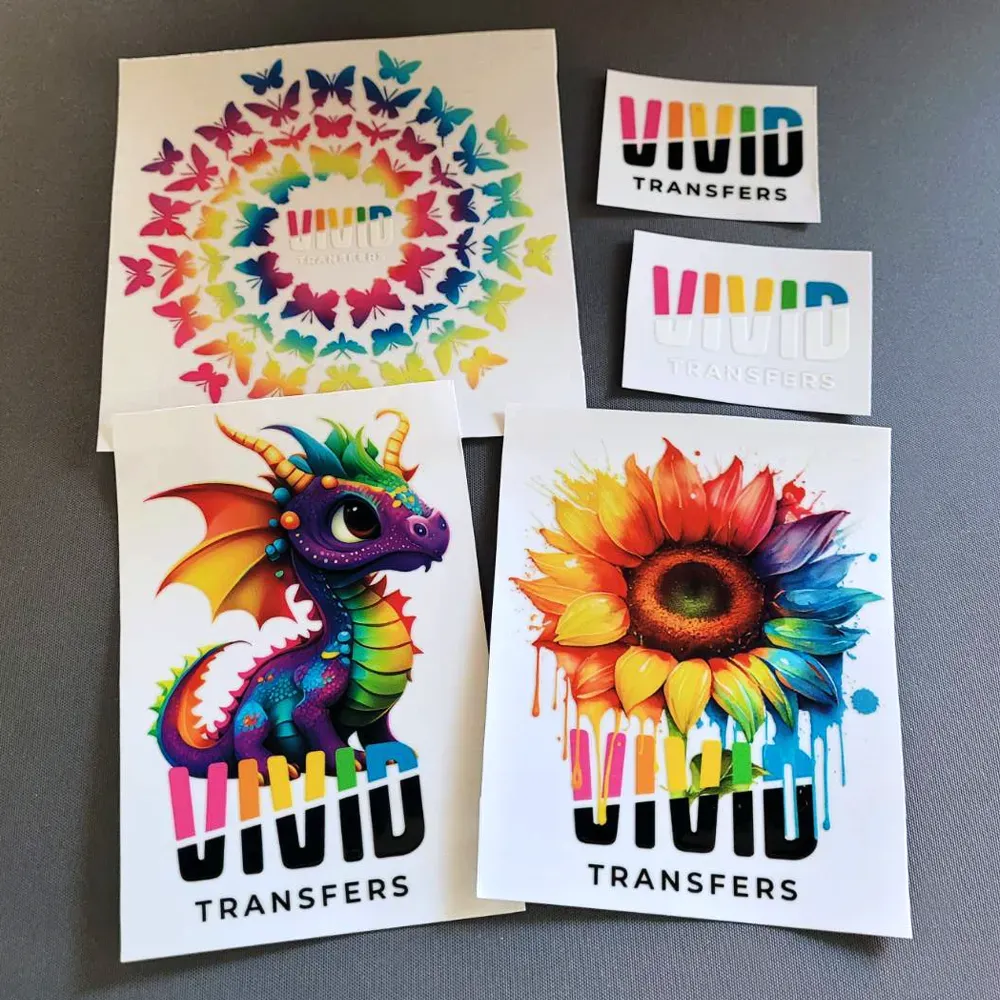
UV DTF Transfers are revolutionizing the apparel customization landscape, leveraging advanced UV printing technology to create stunning, bespoke clothing that meets the demands of modern consumers. Unlike traditional methods, UV DTF transfers utilize a direct-to-film process that enhances print quality and allows for intricate designs, making it a favorite among designers and brands eager to push the boundaries of fashion industry innovation. This cutting-edge technique not only elevates the aesthetics of custom clothing but also ensures lasting durability, giving consumers a product that stands the test of time. As the shift towards sustainable printing practices becomes more pronounced, UV DTF technology stands out for its eco-friendly components, appealing to environmentally conscious shoppers. Dive into how UV DTF transfers are shaping the future of apparel customization and discover how your brand can benefit from this remarkable advancement.
The emergence of Direct to Film (DTF) UV printing is making waves in the realm of personalized garment production. This innovative printing approach represents a departure from conventional techniques, allowing for remarkable customization across various fabric types. By harnessing the power of ultraviolet light during the print process, designers can achieve vivid coloration and intricate detailing that enhance the overall quality of custom garments. This technology not only facilitates fashion industry advances but also aligns with the growing consumer preference for sustainable printing methods. As apparel businesses seek new ways to distinguish themselves, the ability to offer tailored fashion pieces through advanced DTF UV solutions is becoming increasingly valuable.
Understanding UV DTF Transfers in Apparel Customization
UV DTF transfers are revolutionizing the apparel customization industry by providing a sophisticated method for printing high-resolution designs directly onto fabrics. This technology stands apart from traditional methods through its innovative use of ultraviolet light, allowing inks to cure instantly on the film before transferring onto apparel. As a result, this method retains the vivid colors and intricate details of designs that customers crave, making it highly sought after by brands looking to offer personalized options in a dynamic market.
Moreover, the capacity to quickly produce unique designs means that brands can respond promptly to consumer trends and demands. Custom clothing items that once took considerable time to produce can now be made in shorter timeframes, promoting a culture of on-demand manufacturing. This responsiveness is essential in the fast-paced fashion industry, where consumer preferences can shift rapidly. With the rise of UV DTF technology, apparel customization has taken a significant step into the future, highlighting brands’ ability to adapt and innovate.
Benefits of UV Printing Technology for Custom Clothing
UV printing technology brings a plethora of benefits to the realm of custom clothing. One remarkable advantage is its durability; UV DTF transfers are known for their resistance to fading, cracking, and washing, thus assuring longevity for printed apparel items. This durability resonates well with consumers who value quality and longevity in their purchases. As shoppers become increasingly discerning, they favor brands that provide products that perform well over time, establishing a competitive edge for those utilizing UV printing technology.
In addition to durability, the vibrant color reproduction enabled by UV DTF technology significantly enhances the aesthetic appeal of custom clothing. The inks used deliver bold, brilliant colors that stand out, allowing for creative designs that attract today’s fashion-savvy consumers. This level of quality encourages brands to explore new design possibilities, setting the stage for more innovative ideas in apparel customization that appeal to a broader audience.
Flexibility in Material Usage with UV DTF Transfers
The adaptability of UV DTF transfers also extends to a wide range of materials, making this technology incredibly versatile for fashion designers and brands. From cotton and polyester blends to unconventional fabrics like leather and nylon, UL DTF printing allows for customization across various substrates without sacrificing print quality. This flexibility empowers brands to cater to diverse consumer needs, creating specialized items that appeal to niche markets.
As consumer trends shift towards unique and differentiated products, the ability to print on varied materials provides an avenue for brands to stand out in a crowded marketplace. Innovative designers can experiment with combinations of textures and styles, launching collections that reflect the latest trends while meeting the demands for personalization. Such versatility not only enhances brand creativity but also allows for extensive customization options that resonate with consumers seeking distinctive apparel.
Cost and Efficiency Advantages of UV DTF Technology
One of the primary appeals of UV DTF transfers lies in their cost-effectiveness and operational efficiency. Unlike traditional printing methods that require extensive setup and considerable time investment, UV DTF technology streamlines the printing process, enabling quicker production cycles. This is particularly advantageous for brands focused on fulfilling custom orders, allowing them to accommodate unique consumer requests without overcommitting to large inventory runs.
Moreover, the ability to produce smaller batch sizes economically lowers the financial risks associated with unsold stock. This capability enables businesses, especially small and medium-sized enterprises, to thrive in the competitive apparel landscape. Customer satisfaction is further enhanced due to shorter turnaround times, leading to improved brand loyalty and repeat business—an essential factor in the growth of custom clothing markets.
Sustainable Printing Solutions with UV DTF Transfers
As sustainability becomes a non-negotiable in the fashion industry, UV DTF printing emerges as a promising eco-friendly solution. Utilizing water-based inks and emitting fewer volatile organic compounds (VOCs) during the printing process, this method aligns with growing consumer expectations regarding environmental responsibility. Brands adopting UV DTF technology not only reduce their carbon footprint but also appeal to a demographic increasingly concerned about sustainability.
Investing in UV DTF technology signals a commitment to eco-friendly practices, which can enhance brand reputation and attract environmentally conscious consumers. As the fashion industry advances towards more sustainable practices, utilizing innovative printing technologies such as UV DTF becomes essential for brands striving to adapt to these trends and fulfill consumer expectations for responsible production.
Trends and Consumer Preferences in the Apparel Customization Market
The apparel customization market is undergoing rapid growth, fueled by consumer desires for personalized clothing options. With the rise of on-demand printing technologies such as UV DTF, brands can now meet this increasing demand for unique products effectively. Research shows that consumers are particularly interested in brands that offer innovative designs and personalization, providing high potential for companies that incorporate UV DTF transfers into their business models.
As trends shift towards individual expression and exclusive designs, brands investing in UV DTF technology are better positioned to capture consumer attention and loyalty. By aligning their offerings with the evolving preferences of their customer base, companies can enhance their market share and foster a deeper connection with consumers, which is pivotal for sustaining growth in a competitive fashion landscape.
Frequently Asked Questions
What are the benefits of using UV DTF transfers in apparel customization?
UV DTF transfers offer enhanced print quality, vibrant colors, and exceptional durability, making them ideal for custom clothing. This technology allows for intricate designs on various fabric types and meets the growing demand for personalized apparel in the fashion industry.
How does UV printing technology improve the customization process?
UV printing technology enhances the customization of apparel by curing inks with ultraviolet light, which results in high-quality prints that are resistant to fading. This innovation allows brands to offer a wider range of customization options while maintaining excellent durability.
Are UV DTF transfers eco-friendly compared to traditional printing methods?
Yes, UV DTF transfers are more sustainable as they emit fewer volatile organic compounds (VOCs) and use water-based inks, which are less harmful to the environment. This eco-friendly approach aligns with the increasing consumer preference for sustainable printing solutions in the fashion industry.
What types of materials can UV DTF transfers be applied to?
UV DTF transfers can be applied to a variety of materials, including cotton, polyester blends, and non-traditional fabrics like leather and nylon. This versatility allows for creative freedom in design and expands customization options for apparel.
How do UV DTF transfers impact production efficiency for custom clothing brands?
UV DTF transfers streamline production processes by reducing setup times and allowing for economical small batch production. This efficiency enables brands to fulfill custom orders quickly without maintaining large inventories, effectively catering to customer needs.
What trends are driving the demand for UV DTF transfers in the fashion industry?
The rising consumer preference for unique and personalized clothing options is driving demand for UV DTF transfers. As brands invest in this innovative technology, they can meet market trends by offering exclusive designs that enhance brand loyalty and engagement.
| Aspect | Description |
|---|---|
| Enhanced Print Quality and Durability | Produces high-quality, vibrant prints that are resistant to fading and wear, ensuring longevity even after multiple washes. |
| Increased Flexibility in Materials | Can print on a variety of fabrics, including cotton, polyester, leather, and nylon, allowing for creative customization across different materials. |
| Cost-Effectiveness and Production Efficiency | Streamlines production processes, reducing setup time and allowing for economical smaller batch sizes for custom orders. |
| Environmental Considerations and Sustainability | Utilizes eco-friendlier technologies, emitting fewer VOCs and using water-based inks, appealing to eco-conscious consumers. |
| Market Trends and Consumer Demand | Aligns with consumers’ desires for unique and personalized clothing options, enhancing brand loyalty and engagement through innovative designs. |
Summary
UV DTF Transfers are revolutionizing the way custom apparel is created, offering enhanced print quality, flexibility in materials, cost savings, and a lower environmental impact. This innovative technology not only meets the demands of modern consumers who seek unique and personalized clothing options but also aligns with sustainability efforts. As brands continue to adopt UV DTF Transfers, they can effectively tap into the rapidly growing market for custom apparel and fulfill consumer expectations. Ultimately, UV DTF Transfers are not just a technological advancement; they signify a new era in the apparel industry, emphasizing quality, personalization, and environmental responsibility.