


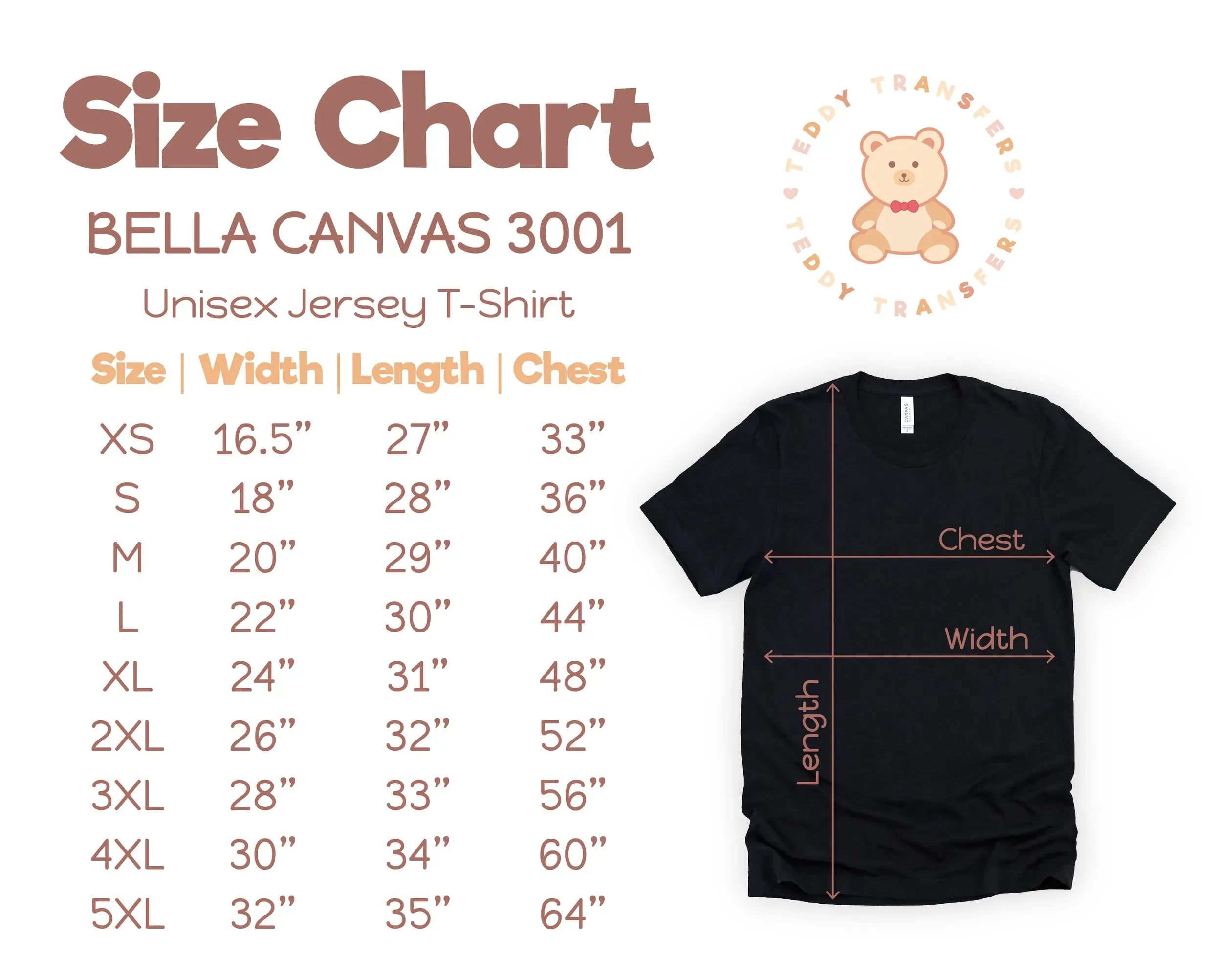
DTF transfer sizes are essential to consider when diving into the vibrant world of custom apparel printing. These transfers, which utilize innovative Direct-to-Film (DTF) technology, allow for stunning, high-quality designs that can be easily applied to a variety of fabrics. Understanding the appropriate transfer sizes is key, as it can significantly impact how the final artwork appears on your garments. In this guide, we’ll delve into the intricacies of transfer size guidelines, helping you choose the right dimensions for your specific apparel design needs. Whether you’re a seasoned professional or a new enthusiast, grasping the nuances of DTF transfers will ensure your projects stand out with impeccable precision and style.
When exploring the realm of DTF printing, it’s crucial to familiarize yourself with various transfer dimensions, often referred to as print sizes or design formats. These dimensions play a pivotal role in defining the visual appeal of custom-printed apparel. Selecting the right print size ensures that designs are not only captivating but also appropriately scaled for each garment type. With an emphasis on DTF transfers, one must navigate through the options available to align with the intended look and feel of the clothing. By understanding these aspects, you enhance the overall quality and effectiveness of your apparel designs, creating products that resonate with your target audience.
The Importance of DTF Transfer Sizes in Custom Apparel Printing
DTF transfer sizes play a crucial role in the field of custom apparel printing, affecting both the aesthetic appeal and the functionality of the final product. Selecting the proper transfer size ensures that designs are not only proportional to the garments but also delivers the intended visual impact. For instance, while designing for youth shirts, using a smaller transfer size that maintains visual integrity is essential. A well-calibrated decision regarding transfer sizes can significantly enhance the perceived quality of the apparel, ultimately leading to increased customer satisfaction.
Moreover, inappropriate transfer sizes can lead to significant design flaws, such as overcrowding on smaller garments or excessively empty space on larger items. This can detract from the overall look of the apparel, making it essential to adhere to standard size guidelines that take into consideration the unique characteristics of various garment types. By understanding DTF transfer sizes, designers can create customized apparel that not only appeals to the eye but also aligns with the printing capabilities provided by advanced DTF printing technologies.
Standard Size Guidelines for DTF Transfers
Standard size guidelines for DTF transfers vary widely based on the type of apparel and the intended design placement. For adults, common print sizes can range dramatically from as small as 8″x4″ to as large as 24″x36″ depending on the garment and personal preference. This range allows for a diverse array of design options, making it possible for businesses to satisfy varied customer desires while maintaining the versatility of the printing process.
When working with youth shirts, the standard recommended sizes are generally smaller, falling between 5″ to 7″ on the longest side. This ensures that the designs are age-appropriate and visually appealing, without overwhelming the child sized garments. Adhering to these standard sizes can help maintain uniformity across your product line and prevent issues during the printing process, allowing for a smoother production experience.
Customizing DTF Transfer Sizes for Different Garments
Customizing DTF transfer sizes based on the garment type is pivotal for achieving designs that look professional and cohesive. For instance, larger streetwear styles may comfortably accommodate bolder designs, while fitted clothing might require more restrained printing dimensions. The customization not only involves adjusting the physical size of the transfers but also the design’s complexity and color depth to complement the garment’s fabric texture.
Additionally, different fabrics respond uniquely to DTF transfers. Lighter materials may allow for more intricate and detailed designs due to their ability to hold fine points, while heavier fabrics often warrant a larger, simplified design to achieve the best result. Understanding these nuances fosters better decision-making and empowers designers to tailor their artwork to suit specific apparel, ultimately enhancing the end result.
Effective Placement Strategies for DTF Transfers
Effective placement strategies are essential in maximizing the visibility and impact of DTF transfers on garments. For adult shirts, the common practice is to position designs about 3 inches below the collar, ensuring that prints are centered and well-aligned. Such strategic placement facilitates enhanced visual appeal as the design is prominently displayed, making it easily recognizable to onlookers.
In the case of youth apparel, placement becomes even more critical. Given that these garments are often smaller, ensuring proper positioning can help maintain proportional balance and aesthetic appeal. A well-thought-out design placement strategy, taking into account the specific size and shape of the garment, can significantly elevate the professional quality of the custom apparel.
Best Practices for Designing DTF Transfers
To achieve the best results when designing DTF transfers, adhering to best practices is imperative. Knowing your garment type is fundamental; the fabric and its characteristics affect how a transfer will perform during printing. Lighter fabrics can handle detailed designs better, while heavier fabrics might require larger and simpler transfers to ensure durability and clarity.
Additionally, aligning your design with brand aesthetics can significantly influence how customers perceive your creations. A cohesive look will resonate more effectively with your target audience, building brand identity and recognition within the custom apparel market. Creating sample designs for fittings before full production runs allows designers to visualize outcomes, adjust accordingly, and optimize all aspects of their DTF transfer design.
Recent Advancements in DTF Transfer Technologies
The DTF transfer printing industry is experiencing rapid advancements that are reshaping how custom apparel is produced. With innovations offering enhanced print quality, color vibrancy, and durability, businesses are better equipped to meet the rising demand for high-quality custom garments. Companies like Sam’s DTF Transfers are at the forefront of these developments, focusing on integrating state-of-the-art technologies that improve both the efficiency and effectiveness of the transfer process.
Furthermore, the increase in supplier options has made it more accessible for entrepreneurs to tap into the customer apparel market without a heavy financial burden. As DTF transfer technologies evolve, new products are emerging that further streamline the design and production workflow, enabling smaller businesses to compete effectively with established brands. Staying abreast of these advancements is crucial for anyone engaged in DTF printing, as it allows designers to leverage new technologies for better quality and service delivery.
Frequently Asked Questions
What are the recommended DTF transfer sizes for youth shirts?
For youth shirts, the standard DTF transfer sizes typically range from **5″ to 7″** on the longest side of the image for smaller children sizes (2T-5T), and **8″ x 10″ to 9″ x 11″** for larger youth sizes. These dimensions ensure that designs are proportionate and visually appealing on the shirt.
How do I determine the right DTF transfer size for adult shirts?
Adult shirts can accommodate DTF transfer sizes ranging from **8″ x 4″** to larger dimensions of **22″ x 24″ or 24″ x 36″**. The choice depends on the desired impact and the specific printer capabilities, with larger sizes suitable for bold designs.
What are the best practices for DTF transfer placement on garments?
For optimal impact, DTF transfers should be placed approximately **3 inches down from the collar and centered** on adult shirts. This placement enhances visibility and maintains a professional look when worn, ensuring consistency across various designs.
How can I ensure uniformity in DTF transfer sizes across different apparel types?
To ensure uniformity in DTF transfer sizes across youth and adult garments, it is essential to adjust the size of the prints according to garment type. Smaller youth designs should maintain proportion while larger adult designs can be scaled up for clarity and impact.
What factors should I consider when selecting DTF transfer sizes for custom apparel printing?
When selecting DTF transfer sizes, consider the garment type, fabric thickness, brand aesthetics, and design intricacy. Heavier fabrics may require larger sizes for clarity, whereas lighter fabrics can accommodate more intricate designs.
How can I test DTF transfer sizes before full-scale production?
To test DTF transfer sizes, create sample prints on the intended garment fabric. This allows you to evaluate how different sizes appear in real life and ensure the final design meets your expectations before proceeding to full-scale production.
| Aspect | Recommended Sizes | Notes |
|---|---|---|
| Youth Shirts | 5″-7″ (for 2T-5T) / 8″x10″ to 9″x11″ | Designs should be proportional and appealing. |
| Adult Shirts | 8″x4″ (standard) / Up to 22″x24″ or 24″x36″ | Size depends on garment type and design visibility. |
| Placement Guidelines | 3 inches down from the collar, centered | Maintains consistency and aesthetic appeal. |
| Best Practices | Test sizes, consult suppliers, align with branding. |
Summary
DTF transfer sizes are critical for achieving high-quality printing results in custom apparel. Understanding the various sizes available and their appropriate uses ensures that designs are not only vibrant but also perfectly tailored to the merchandise. With the potential for detailed designs on a variety of fabric types, proper size selection becomes essential for making a striking impression. By adhering to recommended sizes and placement guidelines, anyone from small business owners to DIY enthusiasts can substantially enhance their branding through visually appealing printed garments. Adopting these practices allows for impactful results, making the understanding of DTF transfer sizes key to successful custom apparel design.